
How to Structure a Real Estate Deal in Colombia and 3 Red Flags to Avoid
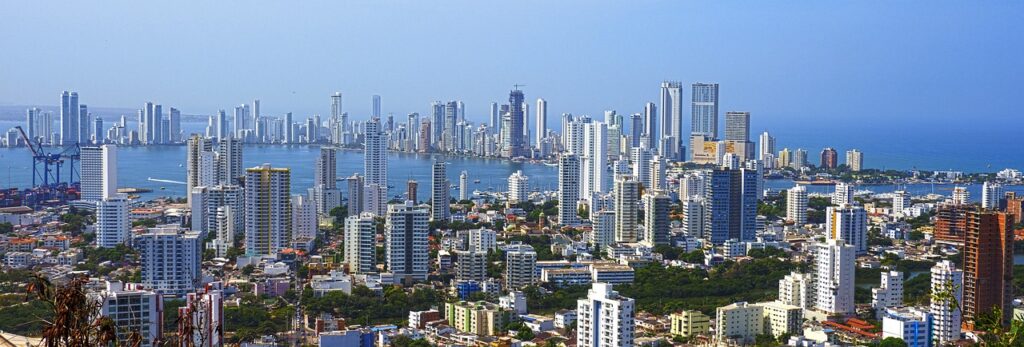
Real estate investment opportunities in Colombia continue to draw sophisticated domestic and international capital because of legal protections for private property and openness to foreign buyers. After closing some tough deals in highly-demanded markets, the historical neighborhood of Getsemaní in Cartagena, for instance, transaction structure and risk management have risen as two factors that determine long-term success for our clients.
This article provides practical steps to structure a real estate acquisition in Colombia and highlights five red flags that often lead to disputes, delays, or loss of investment value. Of course, your real estate investment may require further analysis, so please do not take this as legal advice.
Step 1: Decide on the Legal Acquisition Framework Before Negotiating Terms
Choosing the correct acquisition framework (i.e. as an entity, individual, etc) determines tax costs, enforceability of investor rights, governance control, and exit flexibility.
Some of the key investment vehicles and considerations are:
- Corporate Entity (e.g., SAS or LLC-equivalent): Suitable when multiple investors, foreign capital, or project development are involved. This structure allows customizable governance provisions, distribution policies and limited shareholder liability.
- Direct Individual or Entity Ownership with Foreign Investment Registration: A foreign buyer in Colombia can own property directly without restrictions, but they must register the investment with Banco de la República to ensure repatriation rights and compliance with foreign investment regulations.
- Fiduciary Trust (Fiducia Mercantil): Often used in development projects, these escrow-like structures where funds are released conditionally and titles can be held in trust pending fulfillment of conditions offer the market a safer way to invest in unfinished projects.
Step 2: Conduct a Full Title and Regulatory Due Diligence
In Colombia, obtaining a Certificado de Tradición y Libertad from the Superintendencia de Notariado y Registro is required, but not adequate on its own.
A thorough due diligence process for institutional and cross-border deals should include:
- Chain of Title Review: Confirm uninterrupted ownership transfers and look for annotations or liens such as mortgage registrations, embargoes, family protection regimes (patrimonio de familia), fideicomisos, or usufruct rights that could block property transfer or make it much more expensive.
- Regulatory and Zoning Compliance
- Verify classification under the local Plan de Ordenamiento Territorial and requested land use, especially if you’re looking at properties for commercial use.
- Check building permits, heritage overlays, and any municipal restrictions that may affect operations.
- For condominiums, confirm propiedad horizontal bylaws and potential restrictions on uses like short-term rentals or hidden costs in using shared amenities
- Tax and Administrative Standing: Confirm predial (property tax) and other municipal obligations are paid and certificates (paz y salvo) obtained.
Step 3: Use a Binding Pre-Contract That Controls Risk and Timing
The Promesa de Compraventa (promise to purchase agreement) is the pre-contractual roadmap before closing. It often functions as the only enforceable obligation before the public deed.
A robust pre-purchase contract should clearly specify:
- Price and payment schedule
- Deposit conditions and consequences of default
- Conditions precedent (e.g., zoning confirmation, no encumbrances, financing)
- Due diligence access rights
- Allocation of taxes, registry, and notary fees
- Remedies and liquidated damages
Do not rely on informal “letters of intent” or simple offers without clear risk allocation.
Step 4: Structure the Public Deed and Transaction Mechanics
In Colombia, a property sale must be executed through a public deed (escritura pública) before a notary to be legally valid and capable of registration.
Always define clearly when risk of loss, maintenance obligations, and possession transfer occur relative to signature and registry filing. Also, remember to include express warranties on title, absence of undisclosed liens, up-to-date taxes, completeness of approvals, and compliance with zoning and land use, even if that was already agreed on the pre-purchase contract.
In certain cases, you may consider escrow structures or holdbacks for known risks (e.g., unresolved municipal issues) to ensure obligations are satisfied before total release of purchase funds.
Lastly, the property transfer and mortgage (if any) take place at the same time, so make sure everything is in place the day the public deed is set to take place. This date can always be moved via written agreement between parties, and buyers frequently need more time to secure financing so do not worry if this happens to you.
Three Red Flags in Colombian Real Estate Deals
These signals typically point to latent legal risk or future performance issues. Our main concern when working on these deals is when we identify someone is in a rush: no deal structure should ever ask you to omit diligence or hurry up with signatures.
🚩 Pressure to Close at the Notary Without Title Study Completion
A seller or agent pushing to finalize at the notary before comprehensive due diligence is often masking unresolved encumbrances, zoning constraints, defective seller capacity, or pending annotations. Always confirm title and regulatory documents before deed execution.
🚩 Inconsistencies Between Physical and Registered Boundaries
Discrepancies between what exists on the ground and what is on the registry often indicate boundary disputes, informal expansions, or cadastral mismatches. These issues can complicate financing and future resale. Unregistered encumbrances and liens can also cause mishaps and restrict transferability.
🚩 Informal Payment Channels
Sending purchase funds through informal or opaque channels exposes investors to regulatory issues, potential inability to repatriate capital, and loss of treaty benefits. Always register foreign investment and route funds traceably through formal banking channels.
Final Thoughts
Colombian real estate transactions are legally transparent and accessible for both locals and foreign investors, but success lies in structured diligence, clear contractual risk allocation, notarial accuracy, and registry compliance. Investors who plan the acquisition vehicle, uncover legal risks early, and integrate closing sequencing into deal economics significantly reduce downside and maximize asset value.