
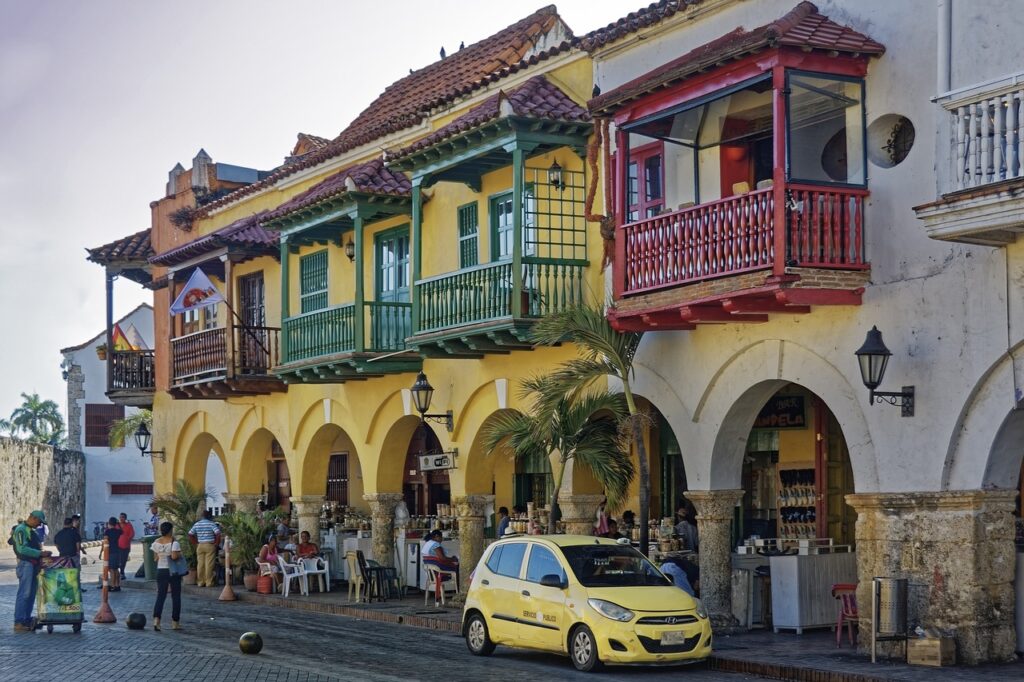
Tourism in Colombia: A Legal 101 for Building Responsible and Compliant Operations
Colombia has become one of the most attractive tourism markets in Latin America with 4.6 million foreign visitors in 2025, thanks to its biodiversity, cultural richness, and a steady increase in international visitors. Cities like Cartagena, Medellín, and Bogotá have evolved into global destinations, while eco tourism, bird watching and wellness travel are opening entirely new segments across the country. For founders, operators, and international companies, this growth represents opportunity within ethical limits, both from a legal and cultural perspective.
Entering Colombia’s tourism market is not only about compliance with regulations, it is also about operating in a way that respects local communities, protects natural resources, and aligns with the expectations of a more conscious global traveler. This guide provides a practical introduction to the key legal considerations, while also highlighting best practices for responsible and sustainable operations.
Understanding the Regulatory Landscape and the RNT
Tourism in Colombia is regulated through a combination of national laws, sector specific requirements, and local permits. At the center of this framework is the Registro Nacional de Turismo (RNT), a mandatory registry administered by the Chambers of Commerce under the supervision of the Ministry of Commerce, Industry, and Tourism.
The RNT is the legal authorization that enables you to operate as a tourism service provider in Colombia. Without an active RNT, a business cannot legally offer or promote tourism services, and authorities may impose fines, order suspension of activities, and even close the establishment.
Who must register?
Any individual or company providing tourism services, including hotels, hostels, short term rentals (AirBnb now requires a RNT), travel agencies, tour operators, guides, and operators of nature or wellness experiences.
How to obtain the RNT in practice?
The process is relatively straightforward in form, but requires careful alignment with other registrations:
- Register your business with the Chamber of Commerce
You must first incorporate a company or register as a merchant and obtain your commercial registration. Most operators use an SAS structure for flexibility (more on that here) - Obtain your tax identification number (RUT)
This is issued by the tax authority (DIAN) and must reflect the correct economic activities related to tourism. - Access the RNT platform
The application is submitted online through the RNT platform, available here. - Complete the application with required information
This includes business details, type of tourism service, location, contact information, and confirmation of compliance with sector specific requirements. - Certify compliance with technical standards and obligations
Depending on your activity, you may need to declare compliance with quality standards, safety protocols, and, in some cases, sustainability requirements. - Submit and obtain approval
Once approved, your RNT is issued and must be publicly displayed in your place of business and, if applicable, on your website.
Ongoing obligations
The RNT must be renewed annually within the first quarter of the year. Failure to renew leads to automatic suspension. Reinstatement is possible, but operating while suspended can trigger sanctions.
Additionally, businesses must update their information whenever there are relevant changes, such as address, services offered, or legal structure.
Beyond formal registration, responsible operators should also consider how their activities impact local ecosystems and communities. Operating with the required permits is the baseline, but building long term value in Colombia’s tourism sector increasingly requires going a step further, engaging with local stakeholders, respecting territorial dynamics, and avoiding extractive or disruptive business models.
Corporate Structuring and Foreign Investment
Choosing the right corporate structure is one of the first strategic decisions. Most tourism ventures operate through simplified stock companies, known as SAS, due to their flexibility and relatively low administrative burden. This structure allows for foreign shareholders, simplified governance, and tailored internal rules.
Foreign investment is permitted in Colombia without prior authorization in most tourism activities, but it must be properly registered with the Central Bank. This registration is not only a compliance requirement, it is also essential to ensure the ability to repatriate profits and protect the investment.
From a broader perspective, structuring should also reflect the nature of the operation. Businesses that collaborate with local communities, indigenous groups, or rural territories should ensure that their legal and contractual frameworks are aligned with principles of fair participation, transparency, and benefit sharing, which are becoming increasingly relevant not only ethically, but also from a reputational and regulatory standpoint.
Licensing, Cultural Sensitivity, and Sector Specific Obligations
Different tourism activities trigger different licensing requirements. Hotels and accommodations must comply with technical standards related to safety, hygiene, and service quality. Tour operators may need additional permits depending on the type of activity, particularly for adventure tourism or operations in protected areas.
For example, operating in natural reserves or protected areas may require environmental permits, coordination with local authorities, or agreements with communities. Wellness retreats and experiences involving traditional or ancestral practices operate in a more nuanced regulatory space and should be structured carefully to avoid misrepresentation or unauthorized use of cultural elements.
Incorporating indigenous or traditional practices into a commercial offering without proper authorization, understanding, or community involvement can create not only legal risk, but also significant ethical and reputational issues. Responsible operators should prioritize informed consent, authentic collaboration, and respect for cultural heritage.
Employment, Community Impact, and Labor Risks
Labor compliance is one of the most underestimated risks in the tourism sector. Many businesses rely on flexible staffing models, seasonal workers, or independent contractors, but Colombian labor law places strong protections on workers and prioritizes substance over form.
Misclassification of employees as independent contractors is a frequent issue. If a worker is found to be under subordination, receiving fixed compensation, and integrated into the business operations, authorities may reclassify the relationship as employment, resulting in significant liabilities.
Tourism businesses also interact closely with local communities. Hiring locally, providing proper training, and ensuring fair working conditions are not only aligned with legal requirements, but also strengthen relationships and reduce operational friction in the long term.
Environmental Responsibility and Tax Considerations
Colombia offers certain tax incentives for tourism projects, particularly in regions designated for development or for eco tourism initiatives. These incentives can significantly improve project viability, but they require careful planning and compliance with specific conditions.
At the same time, tourism businesses must navigate value added tax, income tax, and local taxes. The tax treatment can vary depending on the type of service, the location, and whether the client is domestic or international.
Environmental responsibility is closely linked to both compliance and incentives. Projects that actively protect biodiversity, minimize environmental impact, and operate sustainably are increasingly aligned with government priorities and market demand.
Contracts, Transparency, and Trust
Contracts are the backbone of any tourism operation. This includes agreements with guests, suppliers, property owners, guides, and partners. Well drafted contracts help allocate risk, define responsibilities, and prevent disputes.
Key elements include limitation of liability clauses, clear cancellation and refund policies, force majeure provisions, and compliance with consumer protection rules. Transparency is particularly important in tourism, where trust plays a central role in purchasing decisions.
Responsible operators go beyond minimum disclosure requirements, ensuring that clients fully understand the nature of the experience, especially in higher risk or culturally sensitive offerings.
Final Thoughts
Colombia’s tourism industry offers a compelling combination of growth, diversity, and global appeal. However, success in this market requires more than a great concept or location. It requires a solid legal foundation, combined with a genuine commitment to responsible and respectful operations.
For international companies and ambitious local founders, the most successful projects are those that integrate compliance, cultural awareness, and sustainability from the outset. Doing so not only mitigates risk, but also creates stronger, more resilient businesses that are better positioned for long term growth.
At Colombia Legal Edge, we work closely with tourism operators, investors, and global brands entering the Colombian market, combining legal expertise with a practical understanding of how businesses actually operate on the ground, including cultural nuances and the questions you’re sometimes afraid to ask. If Colombia is part of your expansion plans, we are always happy to explore how to support your entry and growth. The first call is always on us.